Artificial intelligence is rapidly weaving itself into the fabric of modern society, presenting a complex and often contradictory role in the global challenge of human displacement. On one hand, AI-driven automation is a significant factor in economic disruption and job displacement, creating new uncertainties for workers worldwide. On the other, AI is emerging as a powerful tool for humanitarian organizations, offering innovative solutions to predict, manage, and alleviate the hardships of those forced to flee their homes due to conflict, climate change, and persecution.

AI as a Driver of Displacement: The New Economic Migration
The most immediate and widespread impact of AI on displacement is in the labor market. The scale and pace of AI-driven automation are unprecedented, affecting both blue-collar and white-collar professions. This technological upheaval is creating a "hollowing out" of middle-income jobs, potentially exacerbating economic inequality and acting as a powerful driver of migration.
AI as a Tool for Managing Displacement: A New Era for Humanitarian Aid
In stark contrast to its role in economic disruption, AI is proving to be a game-changer in the humanitarian sector. The United Nations High Commissioner for Refugees (UNHCR) and other organizations are leveraging AI to better predict and respond to displacement crises.
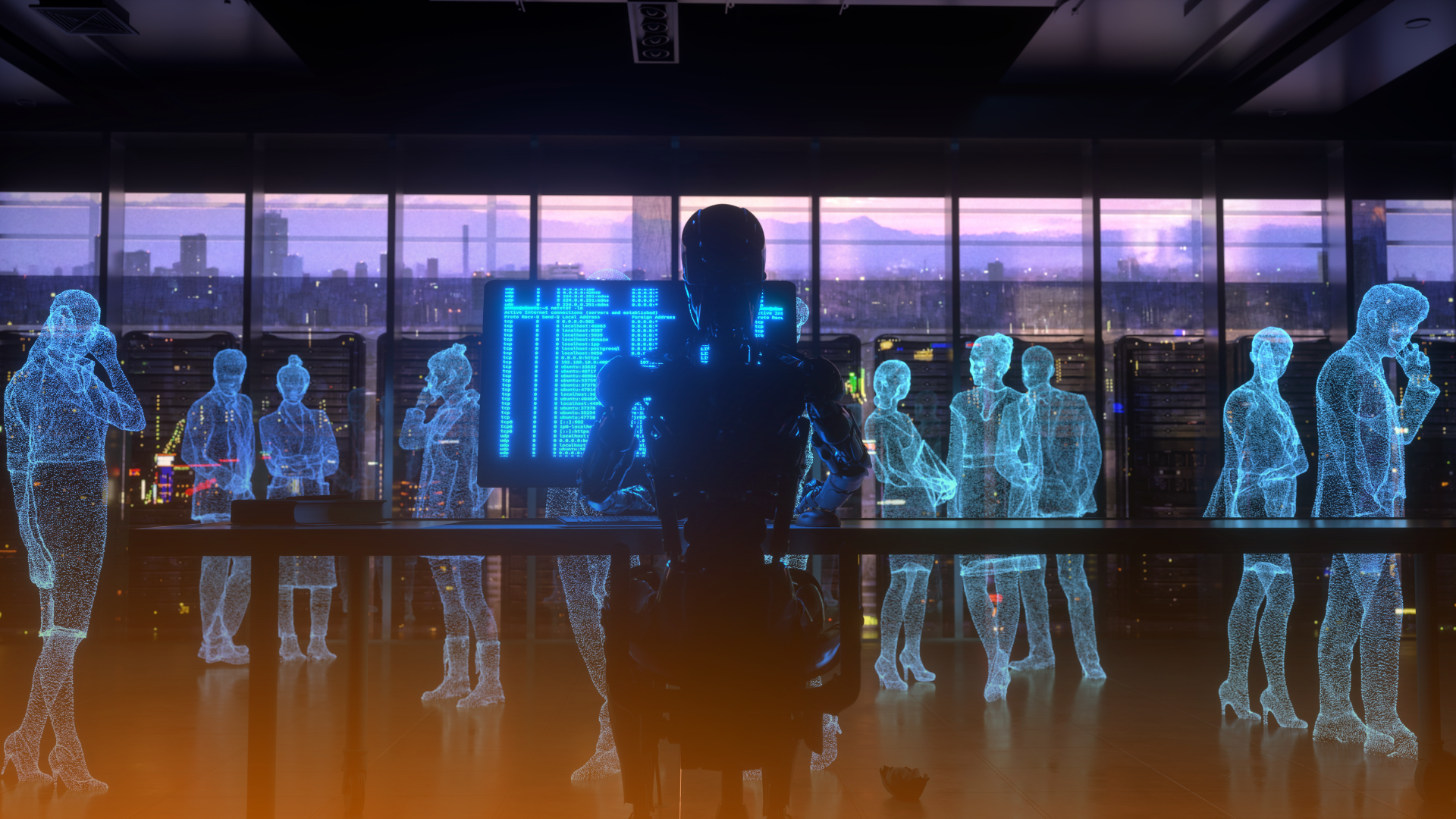
Key applications of AI in managing human displacement include:
-
1Predictive Analytics and Early Warning Systems: AI models can analyze vast datasets to forecast displacement and anticipate resource needs.
-
2Optimized Resource Allocation and Supply Chains: AI is being used to streamline the delivery of aid by optimizing supply chain routes and improving resource allocation.
-
3Enhanced Support for Refugees and Asylum Seekers: AI-powered chatbots and mobile apps are providing displaced individuals with access to vital information.
The Ethical Maze: Navigating the Risks of AI in Displacement
The deployment of AI in the context of human displacement is not without its ethical challenges. A primary concern is the potential for bias in AI algorithms. If AI systems are trained on biased data, they can perpetuate and even amplify existing inequalities. Furthermore, the use of AI raises significant questions about data privacy and security, particularly when dealing with vulnerable populations.
The relationship between AI and human displacement is a complex and evolving one. While AI-driven automation poses a significant threat to labor markets, it also offers powerful tools to support and protect those who have been forced to flee their homes. As AI technology continues to advance, a collaborative effort between technologists, policymakers, humanitarian organizations, and affected communities will be crucial to harnessing its potential for good while mitigating its inherent risks.