The rich tapestry of life on Earth, known as biodiversity, is unraveling at an alarming rate. Human activities are the primary driver of this crisis, which is pushing countless species toward extinction and destabilizing ecosystems that are crucial for our own survival. Scientists have identified five principal threats to biodiversity that are largely driven by human actions: habitat loss and degradation, overexploitation of resources, climate change, pollution, and invasive species.
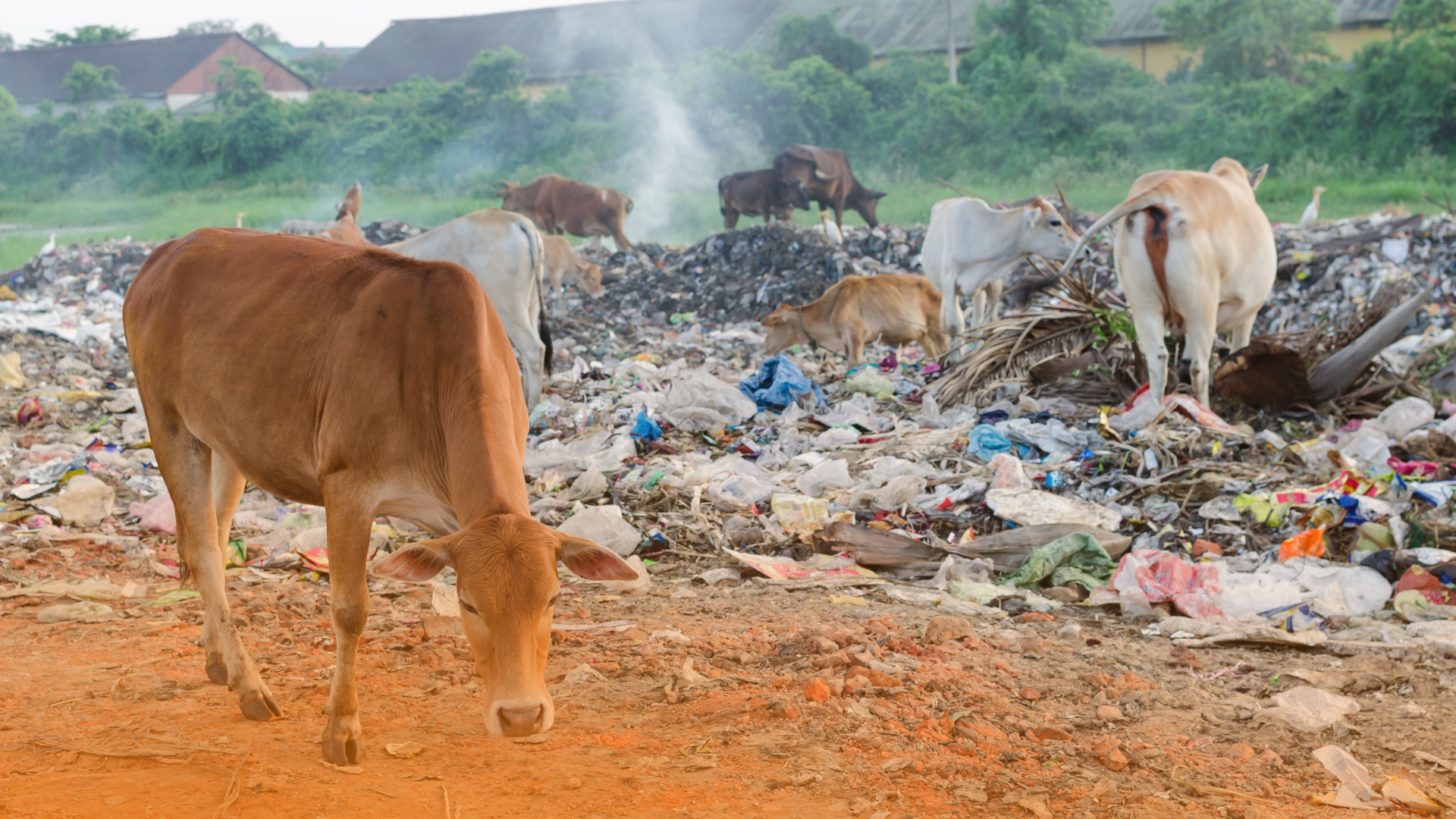
Habitat Loss and Degradation: A Foundational Threat
The conversion of natural landscapes for human use stands as the most significant driver of biodiversity loss. Forests, wetlands, grasslands, and other vital habitats are being cleared for agriculture, urban expansion, and infrastructure development. This destruction and fragmentation of ecosystems reduce the available space and resources for countless species, often leading to their decline and extinction.
Overexploitation: Unsustainable Use of Natural Resources
The excessive human consumption of natural resources is another major threat to biodiversity. Overfishing, unregulated hunting, and the illegal wildlife trade have decimated populations of numerous species. The demand for food, medicine, timber, and other products has led to the unsustainable harvesting of plants and animals, pushing many to the brink of extinction. Bycatch, the incidental capture of non-target species in fishing gear, also contributes significantly to the loss of marine biodiversity.
Climate Change: A Pervasive and Growing Menace
Climate change is rapidly emerging as a primary driver of biodiversity loss. Rising global temperatures, altered precipitation patterns, and an increase in extreme weather events are shifting the ecosystems that species are adapted to. Many organisms are unable to cope with these rapid environmental changes, leading to population declines.
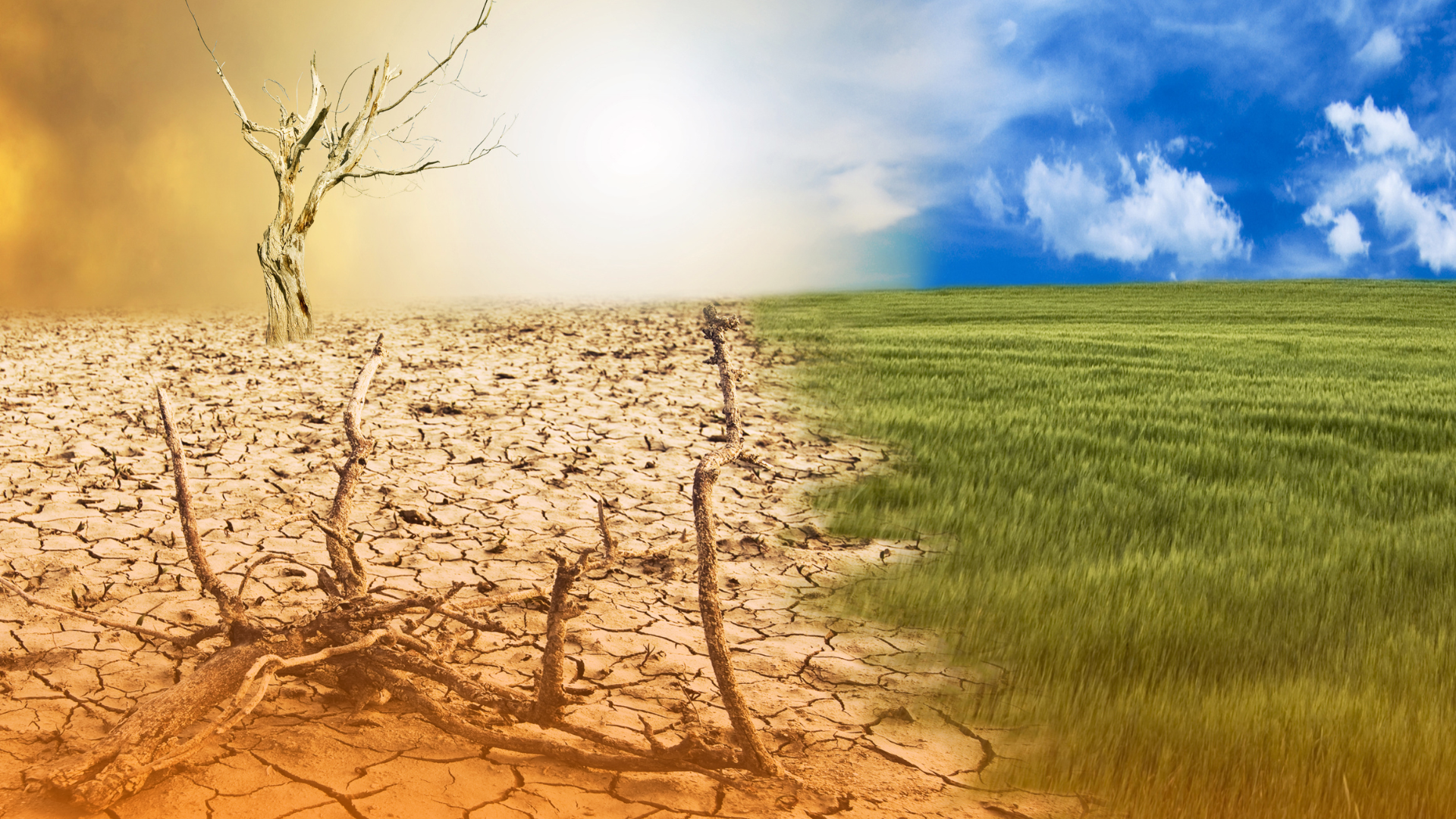
Pollution: A Silent Killer
Pollution in its various forms—air, water, and soil—poses a significant threat to biodiversity. Chemical contaminants from industrial activities, agriculture, and urban runoff can harm organisms directly or disrupt their habitats. Plastic pollution in marine environments has increased tenfold since 1980, affecting hundreds of species, including sea turtles, seabirds, and marine mammals.
Invasive Species: Upsetting the Natural Balance
The introduction of non-native species to new environments, either intentionally or accidentally, can have devastating consequences for native biodiversity. Invasive species can outcompete native organisms for resources, introduce diseases, and alter the structure of ecosystems. According to the United Nations Development Programme, invasive alien species are the second biggest cause of biodiversity loss globally.
The Ripple Effect: Consequences of a Diminished Planet
The loss of biodiversity has far-reaching consequences that extend beyond the disappearance of individual species. It weakens the stability and resilience of ecosystems, making them more vulnerable to disturbances like climate change and disease outbreaks. This, in turn, threatens the essential "ecosystem services" that nature provides to humanity. These services include the provision of clean air and water, pollination of crops, soil fertility, and regulation of the climate.
The decline in biodiversity also has direct impacts on human well-being. It can lead to reduced food security as the genetic diversity of crops and livestock is diminished. Furthermore, the disruption of ecosystems can increase the risk of zoonotic diseases—illnesses that spread from animals to humans. The interconnectedness of life means that the extinction of one species can have a domino effect, leading to further losses within an ecosystem. Ultimately, the ongoing loss of biodiversity poses a profound threat to the health and stability of our planet and to the future of human civilization.
References:
- "10 causes of biodiversity loss..." - FairPlanet
- "Biodiversity loss" - Britannica
- "Biodiversity loss: causes, consequences and solutions" - Iberdrola
- "5 Biggest Causes of Biodiversity Loss" - Earth.Org
- "What is the human impact on biodiversity?" - Royal Society
- "Man's impact on biodiversity" - Klorane Botanical Foundation
- "20 Biggest Causes of Biodiversity Loss" - Gaia
- "Human impact on ecosystems review" - Khan Academy
- "5 Concerning Effects of Biodiversity Loss" - Earth.Org
- "7 Consequences of Biodiversity Loss for Humans" - Gaia
- "Threats to biodiversity" - Chatham House
- "5 Threats To Biodiversity and How We Can Counter Them" - Defenders of Wildlife
- "5 Main Threats to Biodiversity" - Network for Business Sustainability (NBS)
- "(PDF) Biodiversity Loss: Threats and Conservation Strategies" - ResearchGate
- "Dealing with global threats to biodiversity" - Frontiers